Date Posted : January 1, 2026
in : News and Events
For three consecutive years, All Roads has maintained one of the lowest employee turnover rates in the road-building industry.
What Drives Employee Turnover Down: How Company Culture Keeps Great Employees
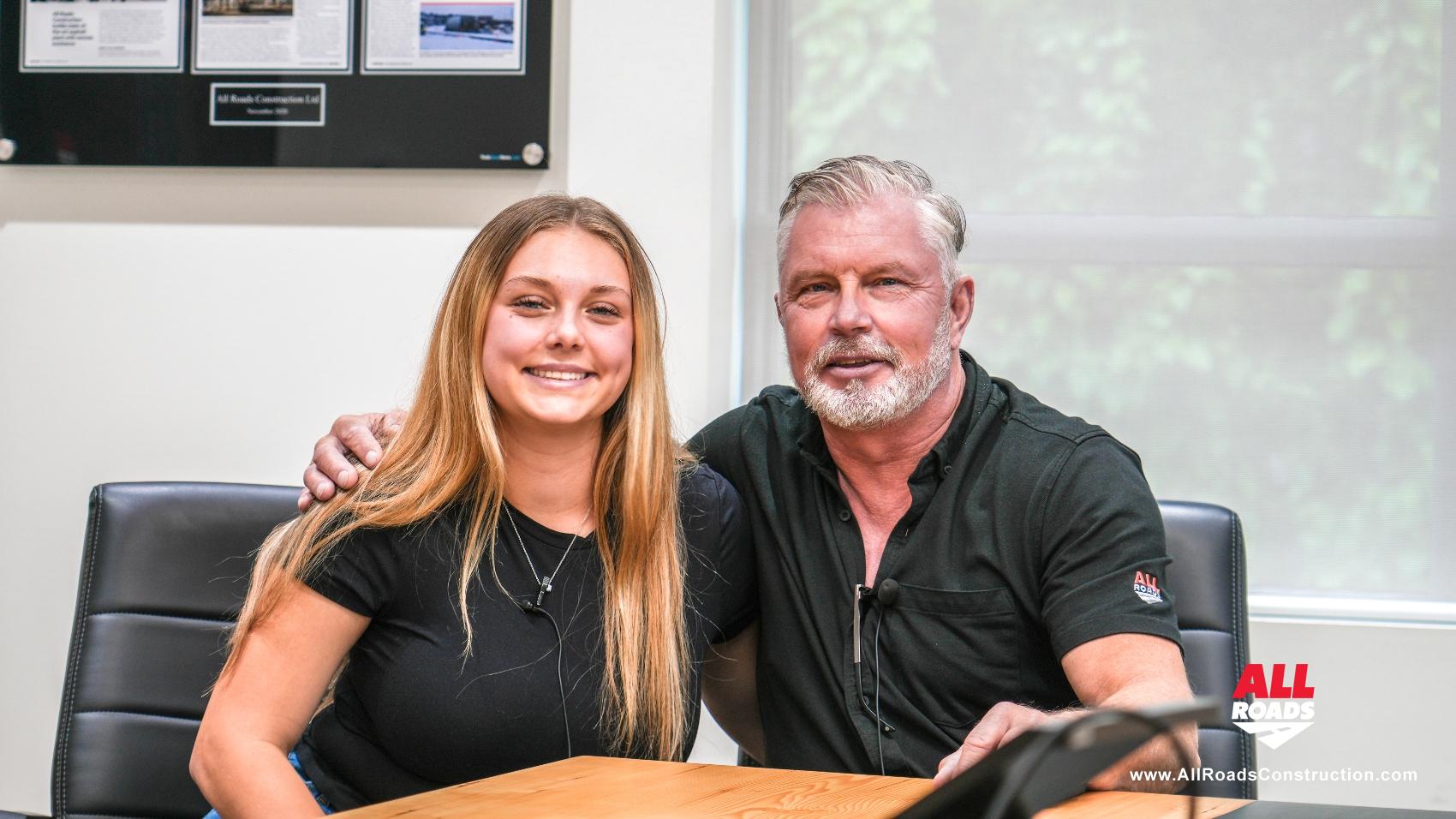

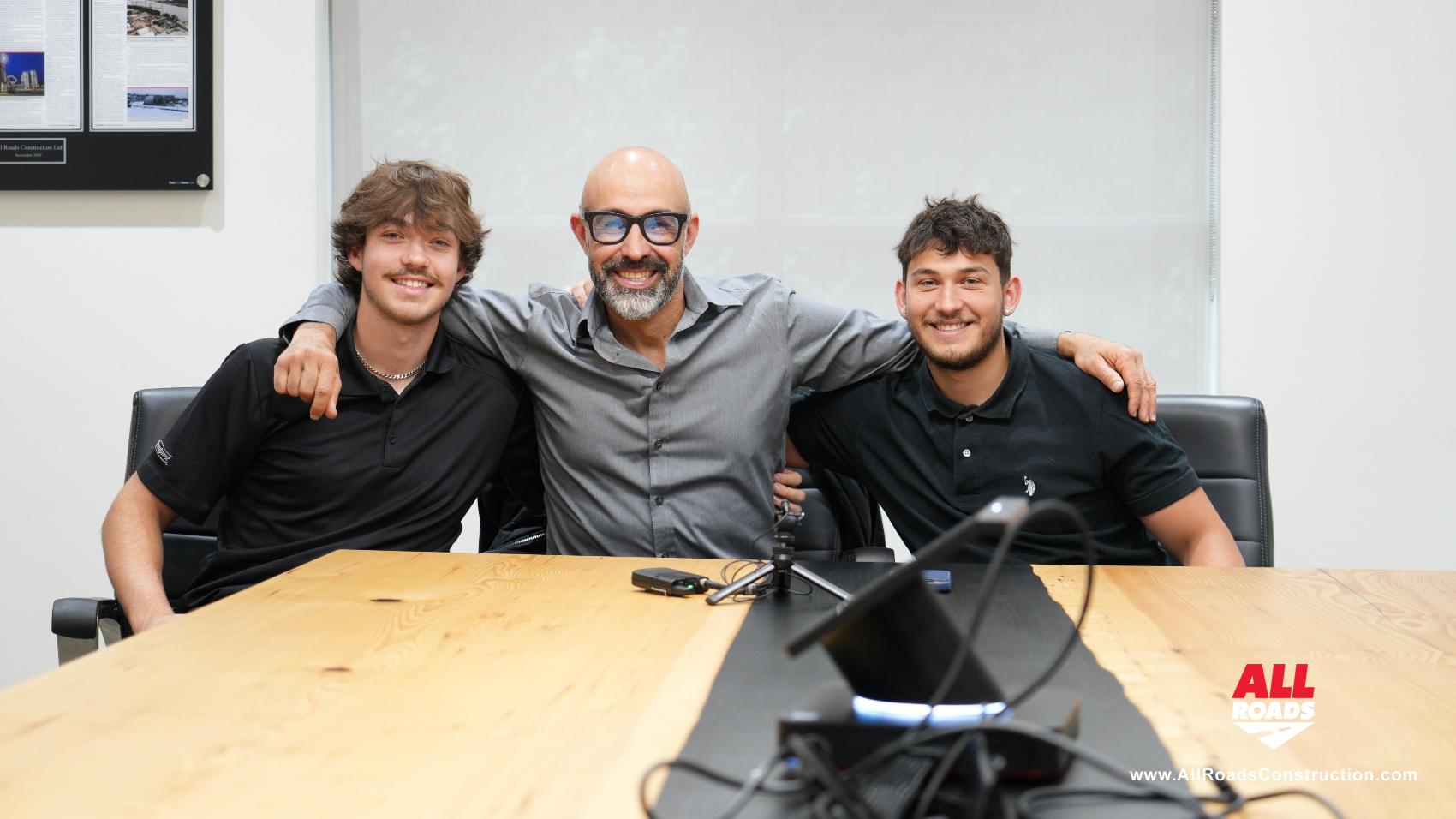

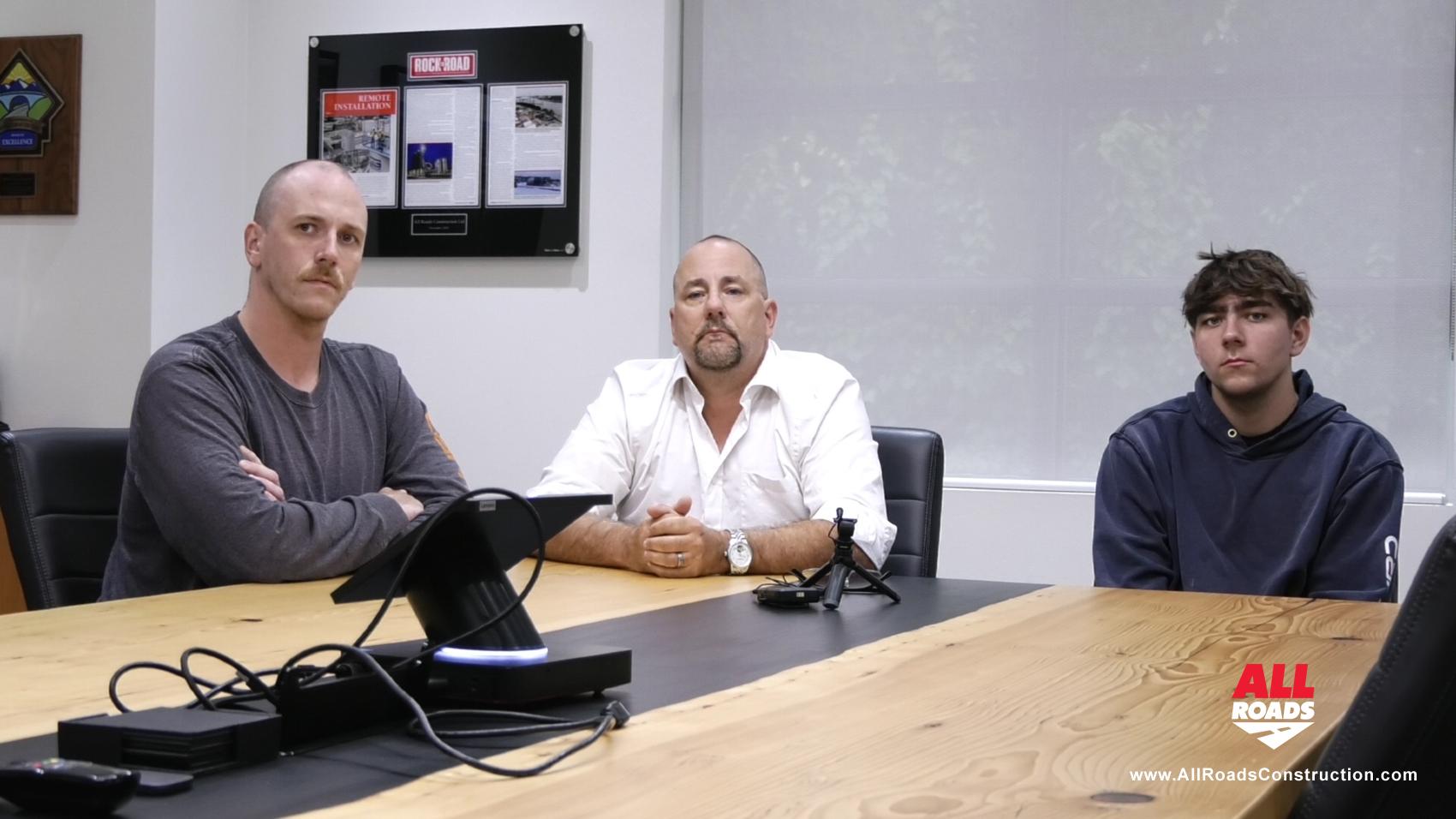

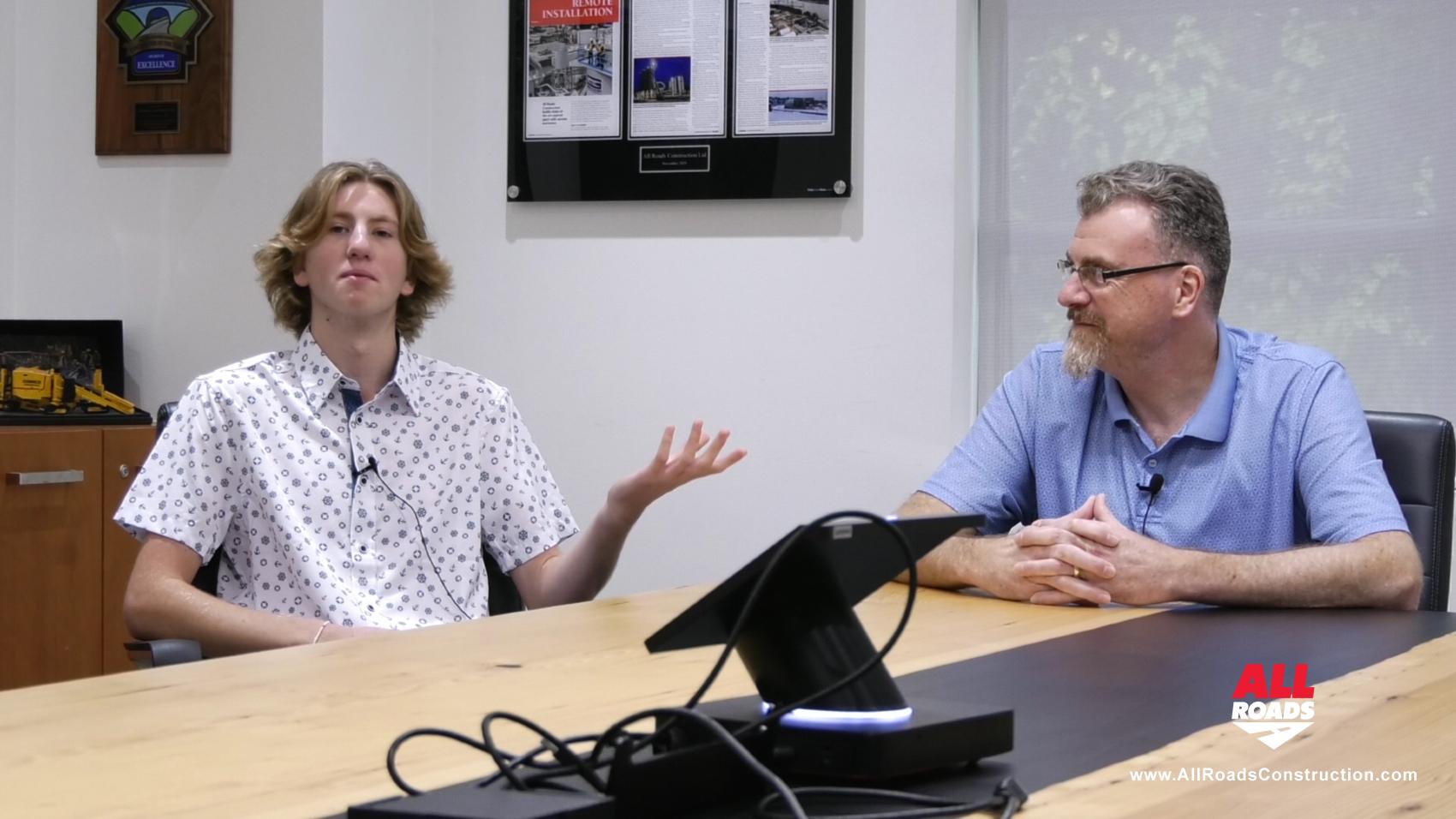
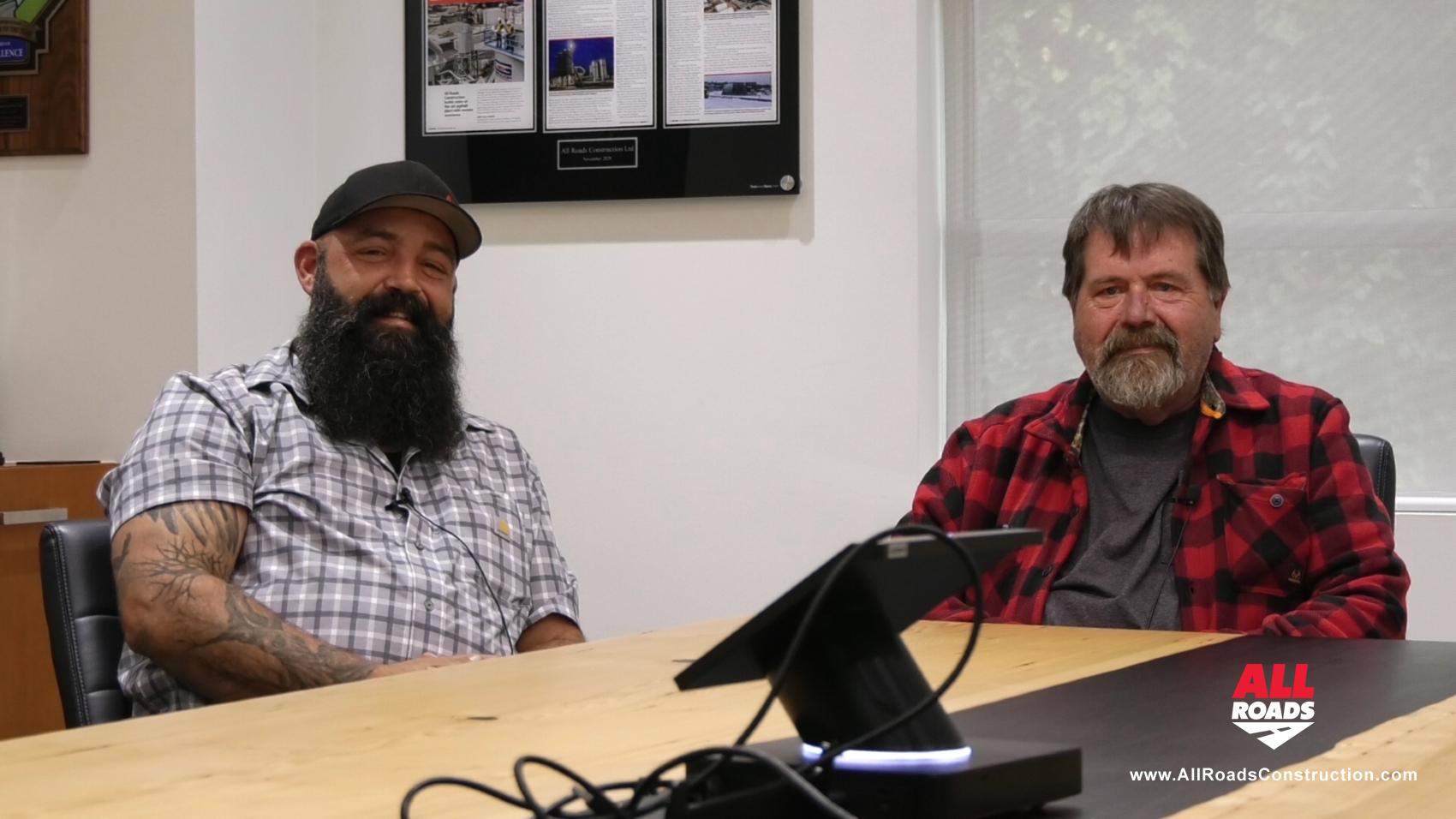

After listening to our team, one conclusion became clear: a family-like culture and a true meritocracy-based approach to growth are the two key drivers behind All Roads' exceptionally low employee turnover.
According to the 2025 IBISWorld Report, British Columbia's road-building industry includes 606 businesses employing more than 10,246 people. At the same time, the 2025 ICBA Survey reports that 72 per cent of B.C. contractors are facing a severe shortage of skilled tradespeople. The combined effect of these pressures has driven employee turnover in the road construction industry to an astonishing average of 78 per cent.
At a recent company event, a veteran of the road-building industry approached us with a question that sparked a thoughtful internal conversation:
"What has been the single biggest pain of growing so fast?"
He elaborated: "You've shaken up the industry. The old way of doing business—and even the asphalt production landscape—has changed in just seven years. What would you say has been your biggest challenge in exploding into this position so quickly?"
For Greg Regier, All Roads' Vice President of Estimating, the answer came quickly.
"Increasing our bid-to-win ratio," he said. "Our bid-versus-win rate for 2025 was 13.75 per cent."
In 2025 alone, All Roads submitted bids for 960 projects and secured 132 of them. While this highlights one of the many daily challenges the company faces, it is far from unique. The road construction bidding environment is notoriously competitive, with contracts often decided by margins as slim as $100. Since this challenge is shared across the industry, it was ruled out as our biggest "pain point."
The next perspective came from Denis Labelle, Vice President of Operations.
"Keeping our good people," he said. "The severe shortage of skilled tradespeople—72 per cent industry-wide—has fundamentally changed traditional ideas of employee loyalty. People can move from one employer to another several times a year without missing a single payday. That's why employee turnover in our industry averages 78 per cent."
That insight prompted us to examine our own data more closely. The results surprised even us.
All Roads Employee Turnover Rates
- 2025: 6.45%
- 2024: 4.58%
- 2023: 6.19%
Maintaining such low turnover for three consecutive years in this industry is no small achievement.
"How?" we asked ourselves.
"We lucked out," said All Roads President Rod Stephens with a smile.
Rod, however, is being modest.
Roller operator Jim Hermanson—who has spent more than 40 years in the construction industry—disagrees that luck has anything to do with it. Now in his late 60s, Jim has worked with countless crews over the decades. His son, Mike Hermanson, is also part of All Roads as a superintendent.
"The field crews at All Roads get along extremely well, and that's a cultural thing," Jim said. "You don't build culture overnight. Culture is grown. You grow togetherness, you stick together, and you stay together."
For Survey Design Coordinator Devin Blakeborough—son of Senior Superintendent Kyle Blakeborough—All Roads' merit-based culture is what stands out most.
"Yes, my dad helped me get my foot in the door," Devin said. "But getting to the position I'm in now had nothing to do with him. I had to earn it on my own merits and walk through the door myself, just like everyone else here. That's real meritocracy."
Concrete Superintendent Rick Ribeiro echoes that sentiment, perhaps influenced by the fact that his two sons also work at All Roads.
"Meritocracy is exactly how I'd describe it," Rick said. "Everyone pulls their weight, and everyone helps one another. People genuinely look out for each other here."
Senior Estimator Marty Friedel agrees. His son Ben, 21, works as a screed operator at All Roads.
"To me, meritocracy means advancing people based on their ability and the value they bring, not who they know," Marty said. Ben nodded in agreement. "I strongly feel it's my hard work that's allowed me to move up."
Another member of the next generation, 21-year-old paver operator Austin Busljeta, shares that perspective.
"I enjoy coming to work every single day," Austin said. "The more I learn here, the more I enjoy it. I'm happy to stick with it, work my way up, and see where this takes me in the next few years."
Austin's father, Paving Foreman Jeff Berglind, says that's exactly why he encouraged his son to start his career at All Roads.
"As long as you put your mind and effort into it, the sky's the limit," Jeff said. "That's why I felt this was a great opportunity for him."
Senior Superintendent Kyle Blakeborough summed up his own reason for inviting his two sons to build their careers at All Roads with an emotional note:
"I know that whenever my time here ends—however many years from now—I know my kids will be taken care of."
After listening to our team, one conclusion became clear: a family-like culture and a true meritocracy-based approach to growth are the two key drivers behind All Roads' exceptionally low employee turnover.
Rod Stephens often talks about the importance of meritocracy at All Roads - the belief that dedication, integrity, and consistent effort should always rise to the top. For him it is important not just as a policy, but as a philosophy.
"When I talk about meritocracy," Rod said, "I'm not only thinking about promotions or performance inside our company. I'm thinking about how we elevate the entire paving industry."
If our warm, welcoming, and values-driven culture continues to be genuine, the numbers will tell the story again in 2026 and beyond. Time will be the ultimate test.
Watch the accompanying video featuring All Roads parents and their children sharing, in their own words, why they chose to work side by side—and why they continue to stay.